The Historical Essence of Serbian Wine
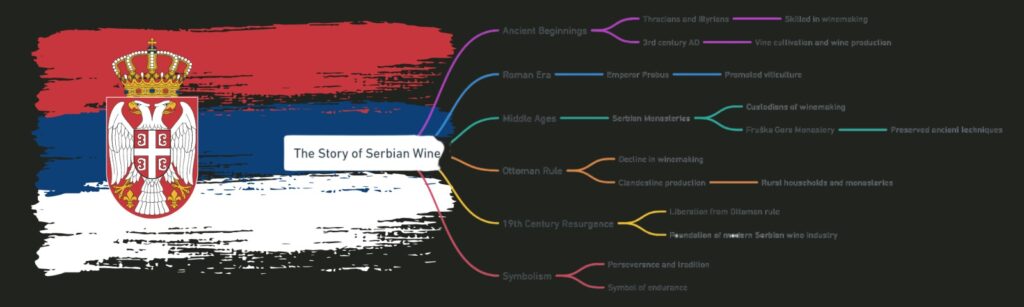
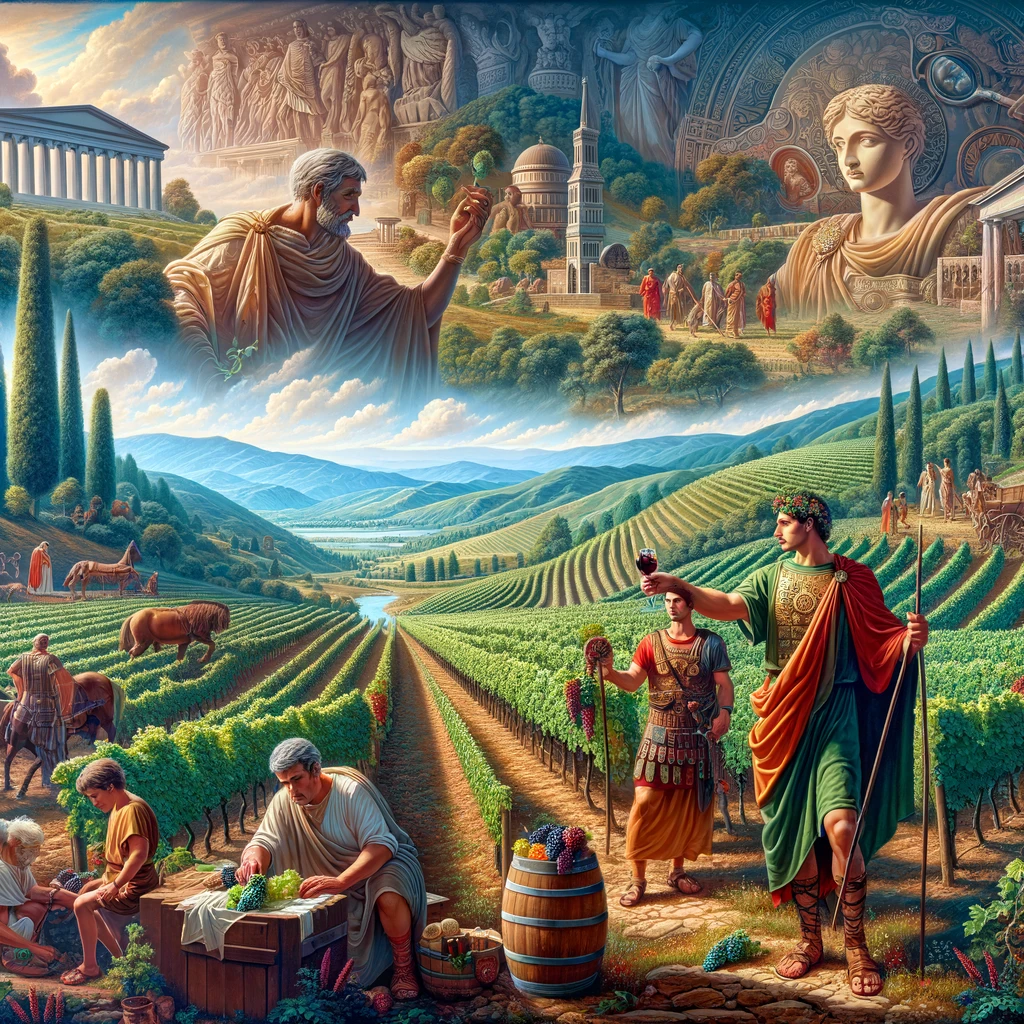
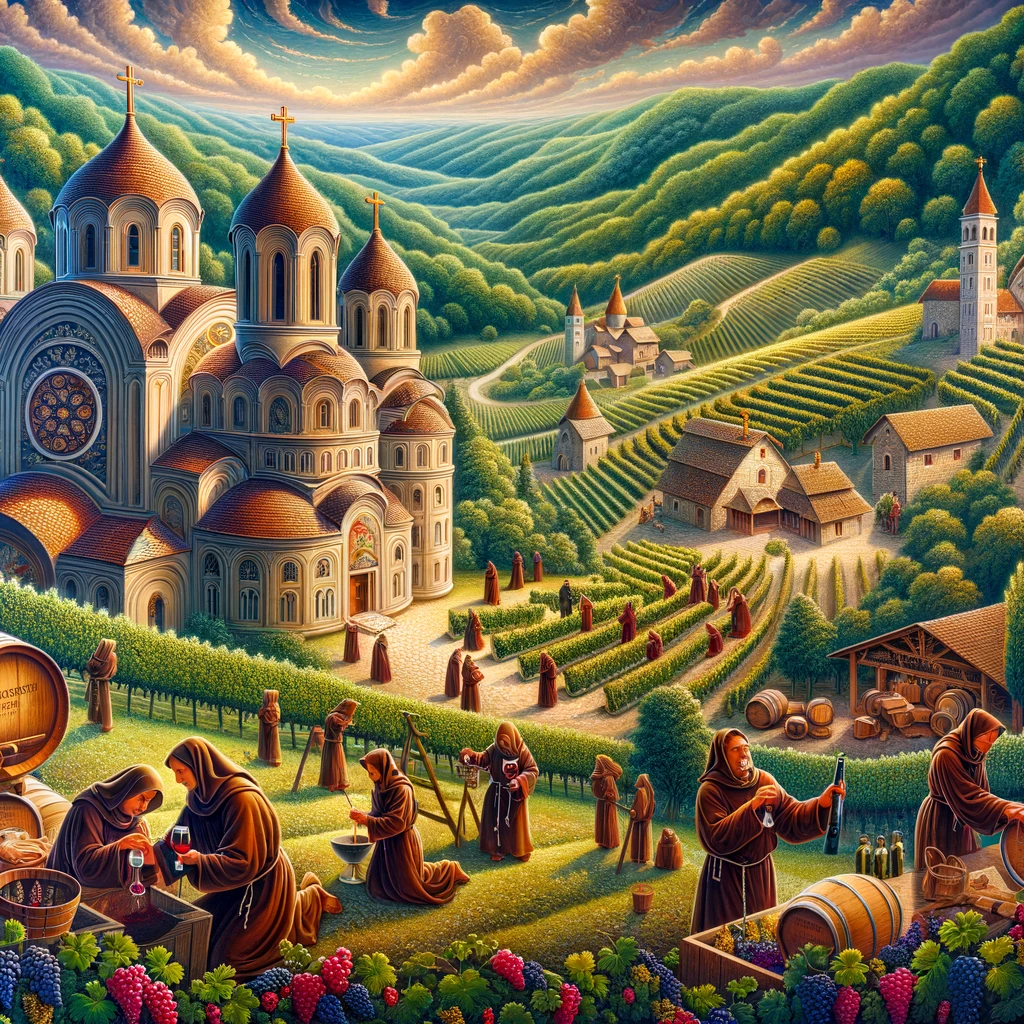
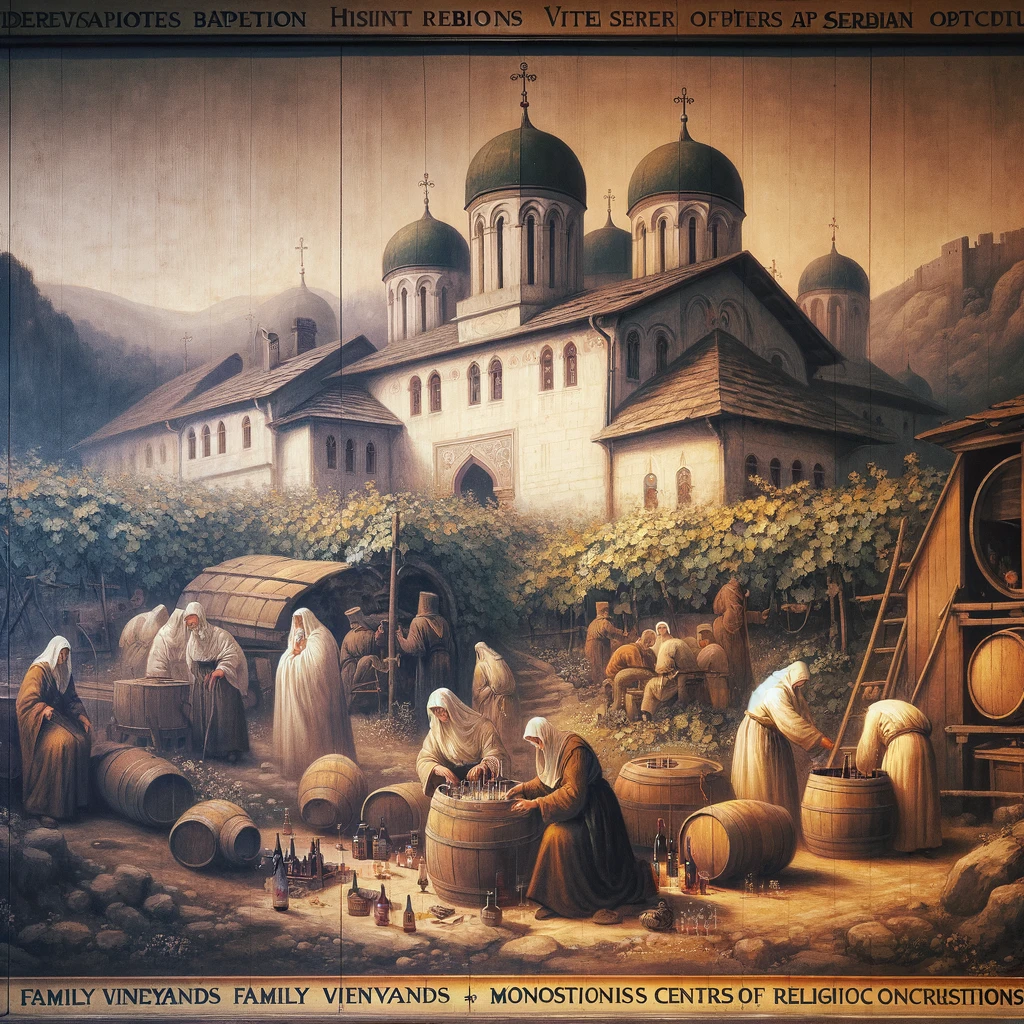
With its origins in the 5,000-year-old customs of the Illyrians and Thracians, Serbian wine was further developed under Roman influence, most notably during the reign of Emperor Probus in the third century. During the turbulent Middle Ages (12th-15th century), winemaking was preserved by Orthodox monasteries like as Fruška Gora. Serbian wine culture survived the severe constraints imposed by Ottoman authority (15th–19th century) thanks to the covert actions of rural households and monasteries. Following Ottoman freedom, Serbian viticulture saw a revival in the 19th century that revived antiquated methods and established the groundwork for the current prosperous wine sector. Serbian wine is more than just a beverage; it’s a symbol of national identity and historical continuity, as demonstrated by its rich history of resilience and cultural preservation.

Serbia’s indigenous grape varieties:
- Prokupac, a red grape with a history as rich as Serbia’s, stands out for its robust, full bodied wines, often compared to the great Zinfandels and Syrahs.
- Then there’s Tamjanika, a fragrant white grape, producing wines with floral and spicy notes, a true sensory delight.
Serbian Wine Today: A Blend of Tradition and Innovation
The Serbian wine scene of today is a lively tapestry that blends new and old, incorporating cutting-edge innovations with centuries-old customs. Serbia has emerged as a major force on the international wine scene as a result of the 19th-century resurgence.
For instance, the Decanter World Wine Awards and the International Wine Challenge have consistently honored Serbian wines, spotlighting the unique qualities of indigenous varieties like Prokupac and Tamjanika. Additionally, accolades in contests like the Concours Mondial de Bruxelles have confirmed Serbia’s standing as a producer of world-class wines. These international commendations are not just triumphs for the individual wineries but also a testament to the nation’s enological evolution.
Serbian winemakers are combining traditional techniques with modern technology to produce a wide range of wines that suit different tastes. In addition to adopting sustainable techniques and winning praise from all over the world for their main initiatives like:
- Organic Farming: Using organic farming practices is becoming more common in Serbian vineyards. This entails steering clear of artificial fertilisers and pesticides,
enhancing soil fertility naturally, and encouraging biodiversity in vineyards. In addition to ensuring a healthy ecosystem, organic viticulture also produces grapes of higher quality. - Organic agricultural: Serbian wineries are increasingly adopting organic agricultural methods. This means avoiding synthetic pesticides and fertilisers, boosting soil fertility organically, and promoting biodiversity in vineyards. Higher-quality grapes are produced via organic viticulture, which also maintains a healthy ecosystem.
- Energy Efficiency: By putting money into renewable energy sources like solar and wind power, contemporary Serbian wineries are concentrating on lowering their carbon impact. Energy-efficient tools and procedures used in the wine industry also contribute to a decrease in total energy usage.
- Sustainable Packaging: Using sustainable packaging materials is becoming more and more popular among Serbian winemakers. This involves experimenting with different packaging options including bag-in-box or recyclable PET bottles, as well as using lighter glass bottles and recycled materials for labels and boxes.
- Waste Reduction: Many Serbian wineries are putting in place effective waste management systems. To reduce waste during production, grape skins and seeds are recycled and used as compost or raw materials for other products.
- Eco-Certification: As a sign of their dedication to environmental sustainability, Serbian wines are progressively earning certifications from international environmental standards, such as the EU’s organic certification or biodynamic certifications.
Now let’s travel
Serbia offers a patchwork of wine areas, each with a distinct personality and specialisations, making its wine map as rich as it is varied. Let’s take a tour of Serbia’s main wine regions, from the undulating hills of Šumadija to the lush plains of Vojvodina.

Šumadija: Serbia’s Wine Country of Origin
Šumadija, which is tucked away in central Serbia, is frequently referred to as the centre of Serbian winemaking. This area is well-known for having the optimal climate—a perfect blend of bright days and cold nights—for growing wine. The renowned Prokupac grape, which yields full-bodied, rich red wines with a distinctly Serbian flavour, originated there. Offering a fusion of history and contemporary winemaking, the Royal Winery in Oplenac is a tribute to the region’s wine tradition.
Morava: Wonderland of White Wine
Now let’s move eastward in Serbia to the Morava region, which is known for its superb white wines. The grape variety known as Morava is the star of the region, producing crisp and fragrant white wines. These wineries are well known throughout the world for their elegant white wines, which are distinguished by their well-balanced acidity and delicate floral aromas.
Timok: The Jewel of the East
In Serbia, the Timok region—which borders Bulgaria—is quickly becoming known for its wine. The region’s continental climate, which features chilly winters and scorching summers, is ideal for raising both red and white kinds. International wine competitions such as Vinitaly International Wine Competition, International Wine & Spirit Competition (IWSC), and San Francisco International Wine Competition to name a few who are featuring more and more of the beautiful, mineral-forward wines from local producers.
These regions have not just captivated local palates but have also caught the attention of the international wine community. Awards and recognitions at global wine events have put Serbian wine regions on the map, showcasing their quality and uniqueness.